About Us

Bring Quality Placemats Into Daily Life

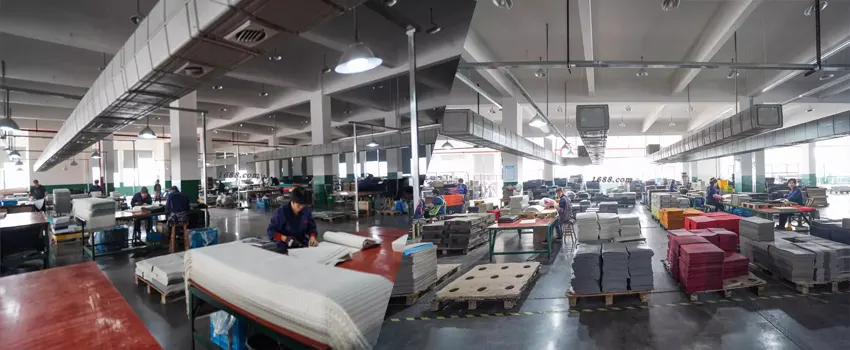
For over 15 years, LangHo has been at the forefront of the table mat manufacturing industry. Based in China, we have built our reputation as a specialist producer of high-quality, durable, and stylish placemats for a global clients.

At LangHo,we take pride in our professional design team and top-notch materials.  we collaborate with leading material suppliers to ensure that our customers receive consistently high-quality products. Our exquisite vinyl and polyester placemats are a testament to our commitment to excellence and style.

What We Do?

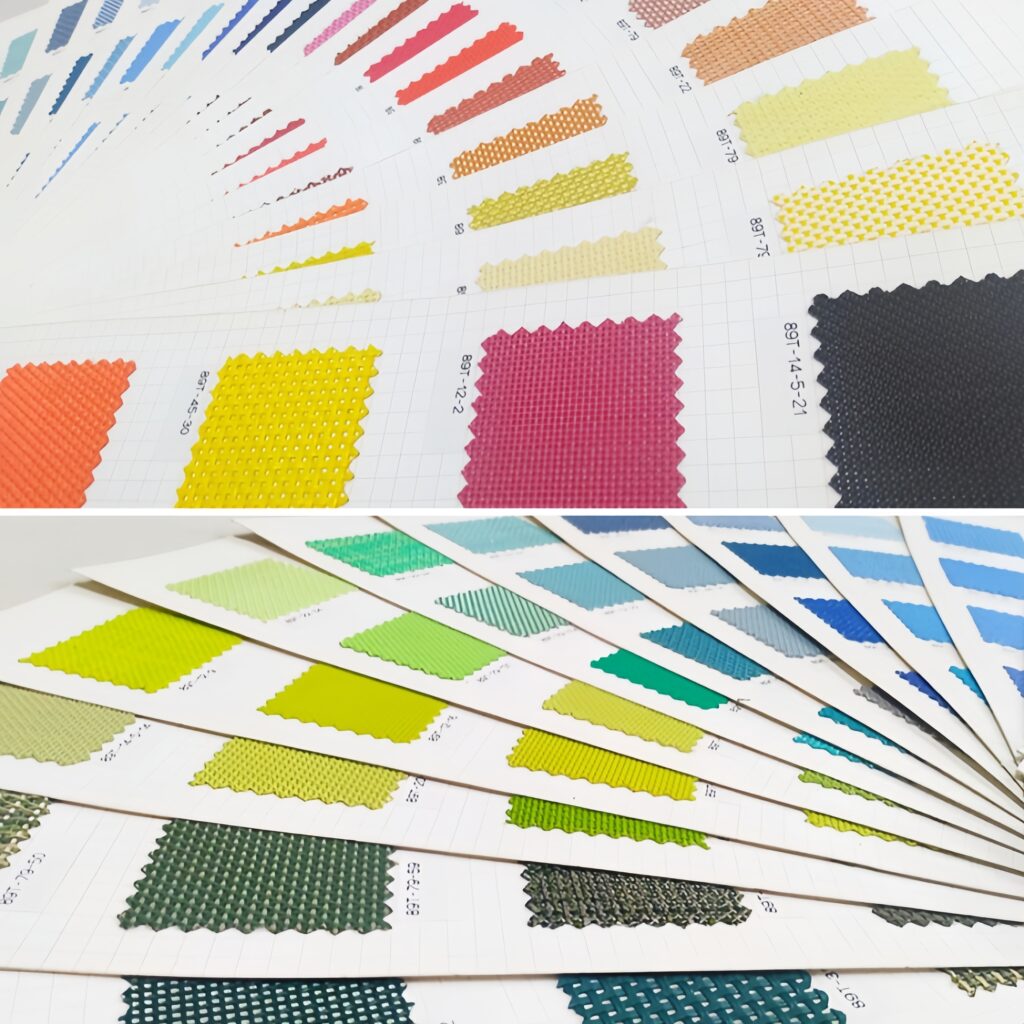
We are a placemat manufacturer, committed to designing and producing a variety of placemats crafted from different materials to meet the needs of every customer. Our flagship product is the PVC woven placemat, also known as Textilene placemats.

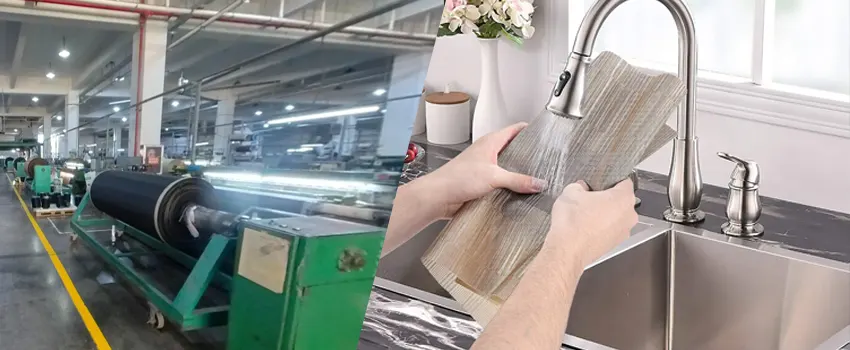
Textilene selects high-strength polyester industrial filament as the inner core and fully environmentally-friendly anti-aging and anti-ultraviolet radiation PVC as coating jacket, which go through polishing, cooling and other processes and then become smooth, waterproof, wear-resistance and environmentally-friendly textilene eventually. Every process of the product is carried out in strict accordance with the international environmental protection requirements. In addition, the company has passed BSCI certification.

How do we control the quality of placemats?

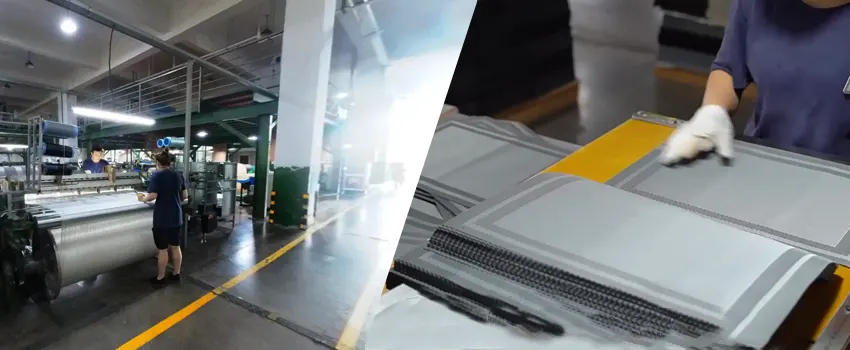
Our rigorous quality control process ensures every piece meets the highest standards. From material selection—featuring our standout PVC for its waterproof, long-lasting properties—to precision manufacturing, we inspect every detail. Each placemat undergoes testing for stain resistance, heat tolerance, and structural integrity, guaranteeing a product that performs as beautifully as it looks.

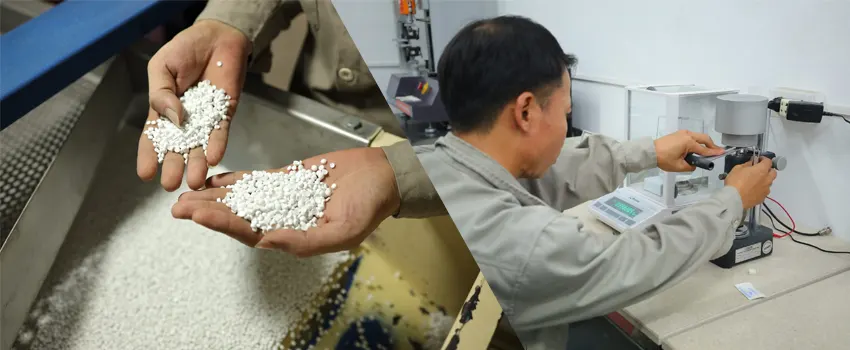
1. Placemat Raw Material Testing

Choose high-grade materials like durable PVC, premium cotton, or eco-friendly bamboo. Inspect for consistency in thickness, texture, and color. Avoid substandard or impure materials that could compromise strength or appearance. For PVC, ensure it’s free of harmful chemicals and meets safety standards.

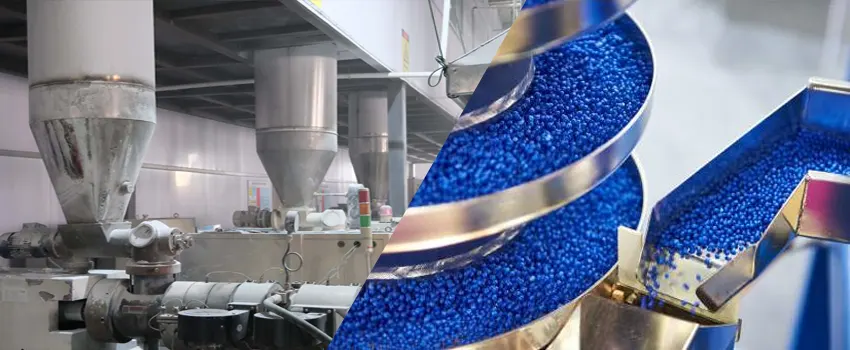
2. Material Preparation

Clean and preprocess materials to remove impurities or defects. For PVC, ensure proper compounding with stabilizers for flexibility and heat resistance. Calibrate cutting tools to prevent uneven edges, ensuring uniform dimensions for every placemat.

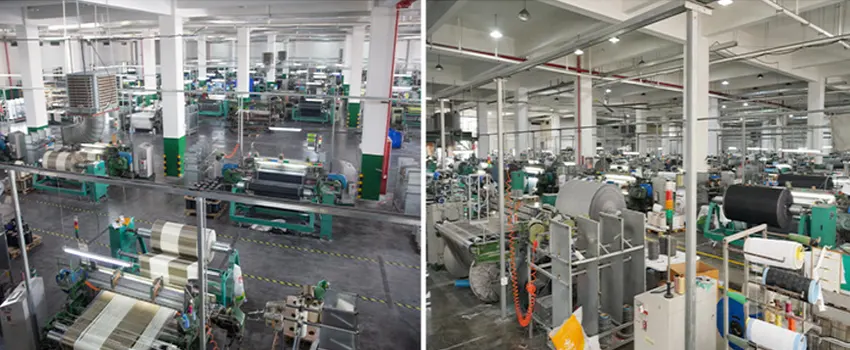
3. Design & Pattern Application

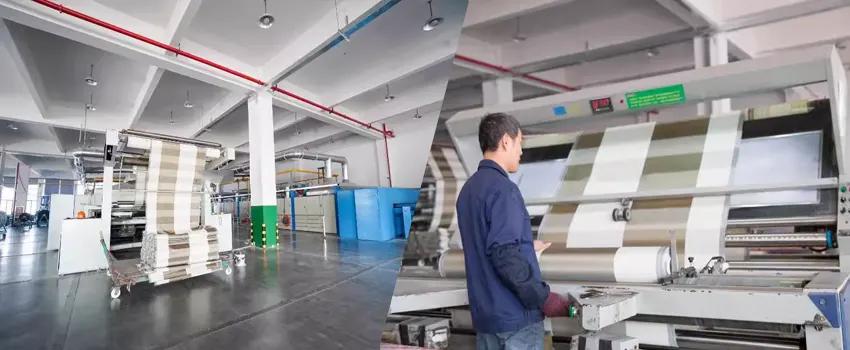
Use precise printing or weaving techniques to apply patterns. For PVC, check that dyes or embossing align perfectly and won’t fade under washing or heat. Test sample runs to catch alignment errors early, ensuring a polished, professional look.

4. Cutting & Shaping

Employ sharp, well-maintained blades or laser cutters for clean, accurate edges. Measure each batch against templates to avoid size deviations. For woven or flexible materials, prevent fraying by sealing edges during this stage.

5. Fine Assembly

If placemats involve layering (e.g., PVC with a fabric backing), use strong, even adhesive application or stitching. Inspect seams or bonds for uniformity and strength, avoiding weak spots that could peel or tear over time.

6. Placemat Surface Treatment

Apply protective coatings (e.g., waterproofing for PVC placemat or stain resistance for fabrics) evenly. Test for consistency—uneven treatment can lead to spotting or reduced durability. Ensure treatments are non-toxic and dry fully to avoid stickiness.

7. Product Detection & Performance Testing

Conduct thorough checks for defects like scratches, misprints, or irregular shapes. Test samples for heat resistance, flexibility, and stain resistance under real-world conditions. Reject items that don’t meet predefined standards to maintain consistency.

8. Packaging & Storage

Pack placemats flat or rolled (depending on material) to prevent creasing or warping. Use moisture-resistant packaging for materials like PVC or wood to avoid mold or damage. Store in a clean, dry environment, and check for any transport-related wear before shipping.